Guide
Real Estate Agent vs Construction Co — Marbella
Marbella new-build and construction projects involve four different professionals — developer, construction company, architect, and real estate agent. This guide explains what each does, who you call first, and where Nøva fits in.
18 April 2026
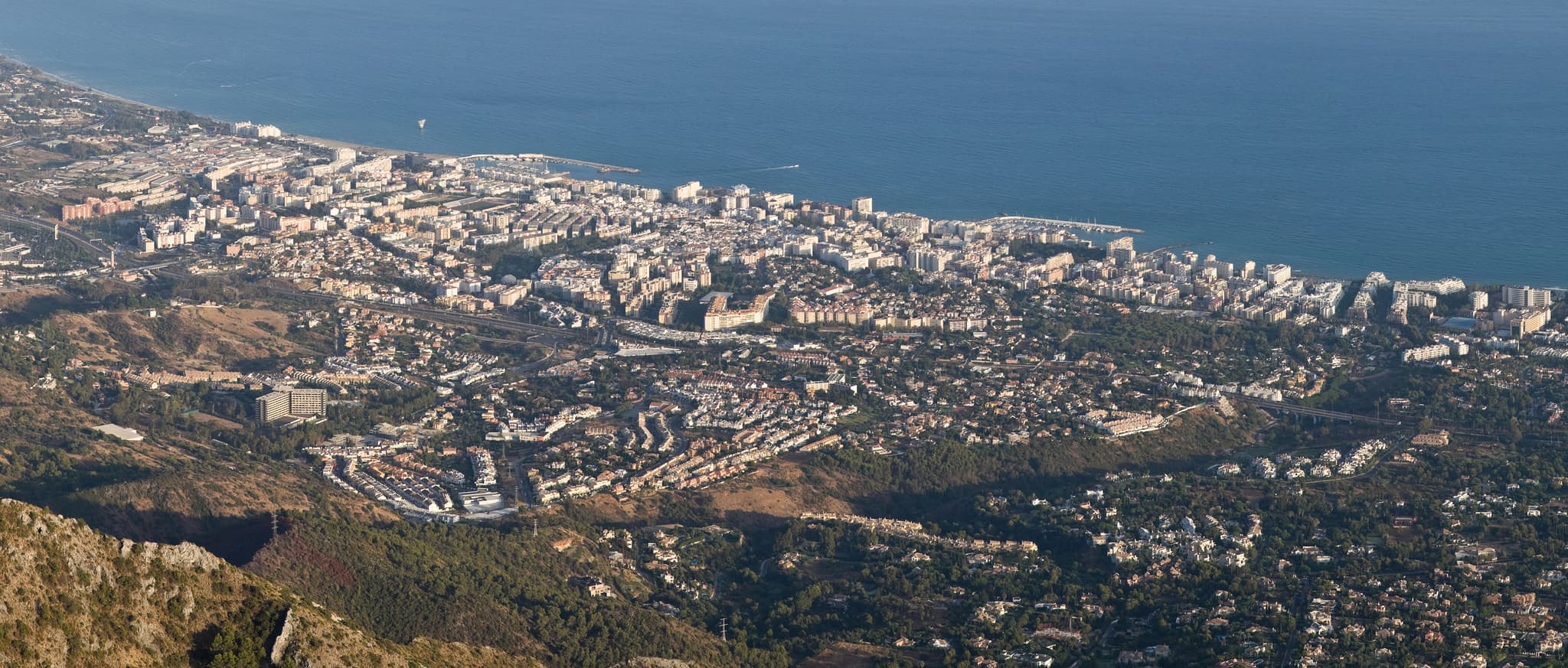
Searching for a "construction company in Marbella" is one of the most common first moves for buyers who want a new property on the Costa del Sol — and it's usually not what you actually need. The Marbella new-build ecosystem involves four different professionals with distinct roles: the developer (promotor), the construction company (constructora), the architect (arquitecto), and the real estate agent (agente inmobiliario). This guide explains what each does, when you need them, and why most buyers should talk to an agent first — before contacting any construction company.
The four roles, explained
In a Spanish new-build project, these four roles are legally distinct, typically filled by different companies, and have different relationships with the buyer:
- Developer (promotor) — owns the land, commissions the project, carries the financial and legal risk, and sells the finished homes. In Spain this entity is the one responsible for the off-plan purchase contract and bank guarantees on deposits under the Ley de Ordenación de la Edificación (LOE).
- Construction company (constructora) — hired by the developer to physically build the project. Does not sell to end buyers. Liability for construction defects runs back to them through the LOE warranty chain, but the buyer's contract is with the developer, not the constructora.
- Architect (arquitecto) — designs the project and signs off on construction phases. Typically contracted by the developer, though buyers who build a custom villa on their own plot contract directly with the architect.
- Real estate agent (agente inmobiliario) — represents buyers (and sometimes sellers) in the market. Shops available developments across multiple developers, negotiates terms, manages the transaction process, and is not tied to any single development.
Who do you talk to first?
It depends on what you're doing:
- Buying an off-plan or turnkey new-build from an existing development → talk to a real estate agent first. They can show you developments across the entire market, not just the one scheme a developer happens to be selling. No buyer-side fees — developers pay the commission.
- Buying a plot to build your own custom villa → architect first, then construction company. The architect translates your requirements into a licensable project; the construction company quotes and delivers the build. A real estate agent helps with plot acquisition.
- Renovating an existing property you own → architect for anything structural, otherwise a local construction company direct. A real estate agent is typically not involved in a renovation-only engagement.
- You haven't decided between existing stock and a new build → real estate agent. They work across both markets and can compare total cost and timeline side by side.
Why most buyers should start with an agent, not a construction company
Four reasons the real estate agent is usually the right first call when buying a new build:
- Market breadth. A construction company has the projects it's currently building. A real estate agent has the full market — every active scheme from every developer operating in the area.
- No buyer-side fees on new-build purchases. The developer pays the agent's commission. For the buyer the agent's work is free.
- Independent advice on developer track record. Agents see completed projects across the market and know who delivers what they promised. A construction company can only tell you about its own work.
- Transaction management. Buying in Spain involves NIEs, mortgages, bank guarantees, lawyer coordination, notary scheduling. Agents run this end-to-end. Construction companies build; they don't typically coordinate the transaction infrastructure.
When you do need a construction company directly
There are three scenarios where a construction company is your primary contact:
- Building a custom villa on a plot you own or will buy — once the architect produces a licensable project, the construction company quotes and delivers. Expect to shop 2–3 tendered quotes.
- Major renovation of an existing property — kitchen/bathroom overhauls, extensions, knock-throughs, or a full gut-rebuild. Anything structural needs a licensed architect to sign off; the construction company executes.
- Small works and snagging — post-move-in work like painting, minor electrical or plumbing, terrace tiling. Smaller builders and tradespeople rather than full construction companies.
Licensing and accountability — what to check
If you do engage a construction company (for a custom villa or renovation), Spanish law provides specific accountability frameworks you should verify up front:
- Registered with the Spanish Commercial Register (Registro Mercantil) — essential. Check via the developer's CIF number.
- Mandatory insurance — Decennial Insurance (Seguro Decenal) for structural works on new-build, valid public-liability insurance for any job.
- Municipal works licence (licencia de obras) — before physical work begins. Works without a licence are illegal and insurable only up to a limit.
- First Occupation Licence (licencia de primera ocupación) — for new-build completion. No occupation or registration without it.
- Membership of Spanish construction associations — not mandatory but useful credential signal (FADECO in Andalusia).
Where Nøva fits
We're a real estate agent, not a construction company or developer. If you're buying an off-plan, key-ready, or resale property on the Costa del Sol, we can help you compare developments across the whole market, manage the transaction process (NIE, lawyer, mortgage, notary), and access developer pricing on our client terms. If you're specifically looking to build a custom villa or commission major renovation work on a property you already own, we can introduce you to architects and construction companies we've seen deliver quality work — though those engagements sit outside our direct service.
Frequently asked
What is the difference between a developer and a construction company in Spain?
The developer (promotor) owns the land, commissions the project, and sells the finished homes — this entity is your legal counterparty on the off-plan purchase contract. The construction company (constructora) is hired by the developer to physically build the project. Your purchase contract is with the developer, not the construction company.
Who do I call first if I want a new-build property in Marbella?
A real estate agent. They work across the full new-build market (every active development from every developer) rather than pushing a single scheme. On new-build transactions there's no buyer-side commission — the developer pays the fee — so agent involvement is free to the buyer.
Do I need a construction company to buy a new-build property?
No — not unless you're building a custom villa on your own plot, or commissioning major renovation on an existing property. For buying from an off-plan or key-ready development, the construction company is already contracted by the developer.
What is the LOE and why does it matter?
The Ley de Ordenación de la Edificación (Ley 38/1999) is the Spanish law governing new-build construction. It imposes a layered warranty: one year on finishing defects, three years on habitability, and ten years on structural elements — backed by mandatory insurance (Seguro Decenal) the developer must hold. Your purchase is legally protected by this framework.
Does Nøva handle renovations or custom builds?
We're a real estate agent — our direct service is buying, selling, and managing property transactions. For custom builds or major renovations we introduce clients to architects and construction companies we've seen deliver, but those engagements are contracted separately from our service.