Lifestyle
Lifestyle on the Costa del Sol — Honest 2026 View
Honest 2026 lifestyle guide to the Costa del Sol — daily rhythm, climate, community, food, sports, the winter shift, and what residents actually live.
18 April 2026
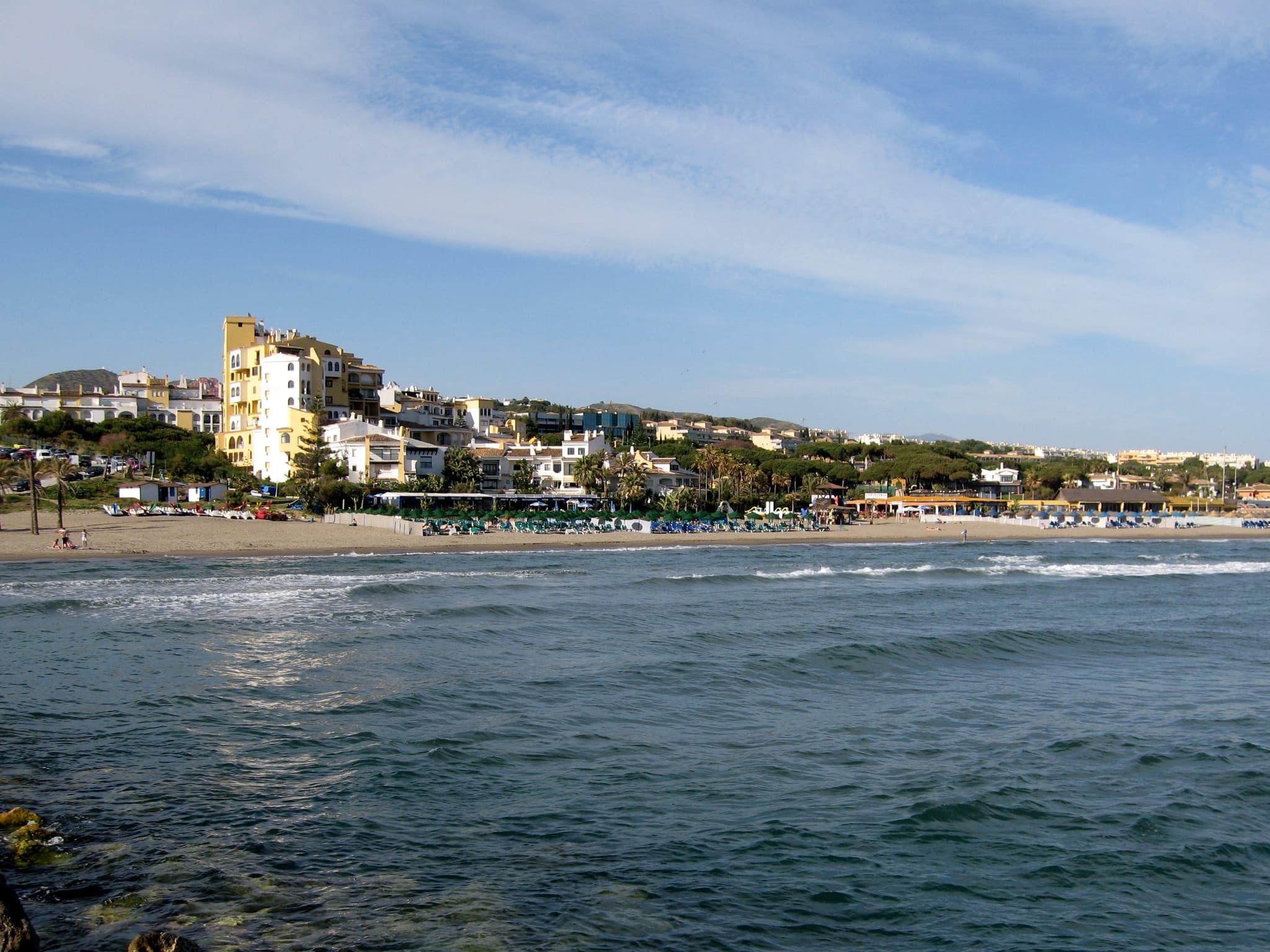
Tourism copy about the Costa del Sol tends to describe the same five things — sunshine, beaches, golf, marina, sangria. Residents experience something more nuanced and more interesting. This guide covers what life here is actually like — the daily rhythm, the year's shape, the community you'll find, and the small trade-offs that only become obvious once you've lived through a full 12 months. If you're considering a move rather than a holiday, this is the context tourism sites don't cover.
The daily rhythm
Life here runs on a slightly later schedule than Northern Europe. Schools start at 9:00 rather than 8:00; offices typically operate 9:00–18:00 with a longer lunch than the UK or Germany standard. Restaurants for lunch get busy from 14:00, and evening dining genuinely doesn't begin before 21:00 in peak summer.
The practical implication for most international residents: breakfast and morning work go well (the coffee culture is excellent), lunch stretches meaningfully (a 90-minute lunch is unremarkable), and evening life pushes later than you'd expect. First-time residents sometimes find the timing jarring. By month three it feels natural.
The year has three seasons
The practical Costa del Sol year divides into three distinct periods rather than the four a Northern European summer/winter model would suggest:
- Deep summer (July–August) — peak heat (30–32°C inland, 27–29°C coast), peak tourism, restaurants full, beaches crowded. Life moves earlier and later to escape midday heat. Many residents travel out.
- Long shoulder (April–June and September–mid-November) — arguably the best time on the coast. Warm but not oppressive (22–27°C), low tourist density, golf and hiking weather, restaurants running at good capacity without waiting lists. This is when the local quality of life peaks.
- Winter (mid-November–March) — often underestimated. Daytime temperatures typically 16–19°C, evenings cool down to 8–11°C. It rains mostly in short heavy spells between November and February. Snow is visible on the Sierra Nevada from Marbella on clear January days. Many coastal restaurants operate on reduced hours; some beach chiringuitos shut entirely November–February.
The community shape
Marbella and the wider Western Costa del Sol hosts one of the densest international resident communities in Spain. Different areas lean toward different national groups — which matters if you want to integrate socially rather than just hold a Spanish address:
- British — the largest single international group, spread across the coast but with heavy concentrations in Nueva Andalucía, Calahonda, Elviria, and Estepona. Full infrastructure — British schools, solicitors, GP practices, and pubs.
- Scandinavian (Swedish, Norwegian, Danish) — a well-established and fast-growing presence, concentrated in Nueva Andalucía and parts of Marbella and Mijas. Swedish Chamber of Commerce, Swedish School, Scandinavian-focused medical practices.
- Dutch and Belgian — a growing community, particularly in Estepona, Benahavís, and Mijas. Dutch-language services are thinner than British or Scandinavian but the community is active.
- German — established presence with the Deutsche Schule, a dedicated doctor and dentist network, and strong golf-community overlap.
- French — visible in Marbella town and Puerto Banús. More seasonal than permanent for many families.
- Middle Eastern (Saudi, Emirati, Moroccan) — particularly concentrated in Puerto Banús and the Golden Mile during summer; substantial permanent-resident community year-round.
- Russian and Ukrainian — historically significant, with Russian-language schools and services; community shape has shifted since 2022.
Food — the under-appreciated part
Tourism copy about Marbella food focuses on beach clubs and high-end restaurants. The resident food experience is different and usually better:
- Local markets — the Friday market in San Pedro, the Saturday market in La Campana, the daily Mercado Central in Marbella old town. Significantly cheaper than supermarkets for fruit, vegetables, and fish; noticeably higher quality for seasonal produce.
- Menú del día — weekday lunch menus at €12–18 for three courses including wine are universal, from the village tavern to respected coastal restaurants. This is the single most characteristic feature of Spanish daily dining.
- Fish and seafood — Málaga province has its own coastal fishing fleet. Espetos (sardines grilled on skewers over beachfront fire pits) are a regional signature worth pursuing.
- Tapas tradition (mostly inland) — Spain's free-tapas-with-drinks tradition exists but is patchy on the coastal strip. Inland villages (Ronda, Estepona old town, Benahavís village) maintain it more consistently than central Marbella or Puerto Banús.
Sports and the outdoors
Access to outdoor activity is one of the strongest parts of the daily experience here:
- Golf — 70+ courses within 30 minutes of Marbella. Unusually high density per capita, which keeps prices competitive.
- Padel — the de facto national sport of modern Spain, bigger than tennis in participation. Clubs exist in every significant urbanisation.
- Hiking — La Concha (Marbella's signature mountain) is a full-day ascent. Sierra de las Nieves National Park sits 30 minutes inland with protected landscape and extensive trail networks.
- Sea sports — kitesurfing in Tarifa (45 minutes west), sailing and paddleboarding along the entire coast, diving in the artificial reefs off Estepona.
- Winter skiing — the Sierra Nevada resort sits 2.5 hours east by car. Plausible to ski in the morning and swim (at least in March–April when both work) in the afternoon.
Cost of living compared honestly
Relative to most Northern European baselines, daily life is 20–30% cheaper on food, dining, fuel, and services. Not cheaper (and sometimes more expensive) on:
- Imported goods — electronics, niche international foods, specific brands of wine from outside Spain
- Premium private schools — annual fees at Aloha College, Laude, EIC, and similar run €8,000–€15,000/year
- Top-tier restaurants — Michelin-starred pricing broadly matches other European destinations
- Premium property — Marbella's trophy segment prices above most European alternatives on €/m², though with stronger climate and lifestyle
- Energy in summer — air conditioning pushes electricity bills materially in July and August
A comfortable couples' monthly budget outside rent typically runs €2,500–4,000 depending on lifestyle and car ownership. See our cost of living in Marbella guide for a detailed breakdown.
The trade-offs nobody mentions
Three things first-year residents consistently flag as unexpected:
- Heating matters more than you think in winter. Older Spanish construction is thin-walled and under-heated by Northern European standards. Villas from the 1980s and 1990s can feel properly cold in January evenings. New-build construction (underfloor heating, aerothermal) handles winter materially better.
- Bureaucracy is a constant background task. Spanish paperwork — renewing driver's licence, dealing with local town-hall matters, registering a car — takes longer and requires more in-person presence than you'd expect. Most long-term residents use a gestor (administrative agent) for anything beyond day-to-day.
- Winter brings a real shift in social rhythm. Restaurants close, beach clubs shutter, and social activity moves indoors. Parts of the coast that feel lively in July look genuinely quiet in January. This is a feature for some buyers (peace, room to think) and a bug for others (expecting year-round Mediterranean-summer energy).
Frequently asked
What is the lifestyle like on the Costa del Sol year-round?
Three-seasonal: a peak July–August summer, a long shoulder April–June and September–mid-November that is arguably the best part of the year, and a winter (mid-November–March) that is mild (16–19°C daytime) but reshapes the social rhythm significantly. Services and a strong permanent resident community keep life active year-round in the major towns.
Is the Costa del Sol a good place for expats and families?
Yes — particularly the Marbella, San Pedro, Estepona and East Marbella corridor, which has one of the densest international school clusters in Spain (British, Swedish, German, French, IB), mature healthcare, and long-established British, Scandinavian, Dutch, and German communities.
Does it get cold in winter on the Costa del Sol?
Daytime winter temperatures typically sit 16–19°C, with cooler evenings (8–11°C). It rains mostly in short heavy spells November–February. Not cold by UK or Nordic standards, but heating in homes matters more than the 'sunny Spain' reputation suggests — older construction is often thin-walled.
What are the best months to live on the Costa del Sol?
April through June and September to mid-November for most residents — warm (22–27°C), low tourist density, full amenity operation, and the best restaurants running at proper capacity without waiting lists.
Do you need to speak Spanish to live on the Costa del Sol?
Day-to-day living is genuinely manageable in English across Marbella, Puerto Banús, Estepona, and the major coastal towns. For anything involving local administration, tax matters, or significant contracts, either functional Spanish or a gestor / lawyer who handles it for you is essential.